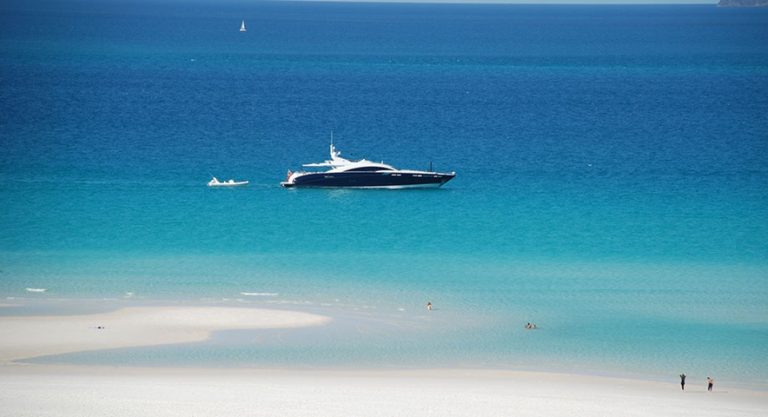
The Whitsundays enjoy a sub-tropical climate with warm temperatures year-round, perfect for sailing and water activities. Understanding the weather patterns helps you plan the ideal tropical escape, whether you’re seeking perfect sailing conditions or optimal snorkelling visibility. This detailed weather guide complements the best time to visit the Whitsundays by providing deeper insights into seasonal conditions.
Climate Overview
The Whitsundays sit in tropical north-eastern Queensland with warm year-round conditions. Two distinct seasons shape the region: wet season from November to April, and dry season from May to October.
The wet season brings higher humidity and afternoon showers. The dry season features lower humidity and clearer skies. Annual rainfall averages around 1,200 millimetres, mostly falling during summer months.
Sea temperatures stay between 25 to 28 degrees Celsius year-round. This makes swimming, snorkelling, diving, and sailing comfortable any time you visit. Light beach wear suits most days, with a jacket for cooler winter evenings.
Temperature and Sunshine
Summer (December to March) sees daytime highs of 28 to 31 degrees Celsius. Night temperatures hover around 24 to 25 degrees Celsius. These warm conditions suit those who love heat and don’t mind tropical showers.
Winter (June to August) brings daytime highs of 22 to 23 degrees Celsius. Nights cool to 18 to 19 degrees Celsius. Despite being the coolest months, temperatures remain pleasant for all water activities.
September is one of the sunniest months with 9 to 10 hours of daily sunshine. The region enjoys abundant sunshine year-round, creating perfect conditions for outdoor adventures.
UV levels stay high year-round. Pack a hat, sunglasses, and high-factor sunscreen regardless of when you visit. Sun protection is essential during extended water activities.

Rainfall and Sea Conditions
January and February are the wettest months with brief but intense tropical showers. Despite increased rainfall, you’ll still enjoy plenty of sunshine between showers. September and October are the driest months with minimal rainfall and clearer skies.
Sea temperatures range from 25 to 28 degrees Celsius year-round. The warm waters make swimming, snorkelling, and diving comfortable any time. Extended periods in the water feel pleasant whether exploring reefs or relaxing.
Visibility for snorkelling and diving is best during the dry season. Less rain runoff means clearer water to see vibrant marine life and coral formations. If underwater exploration is your priority, visit during the drier months.
December to March is cyclone season in northern Queensland. The Whitsundays rarely see direct hits, but weather systems can impact travel plans. Modern forecasting provides several days’ warning for appropriate planning.
Best Time to Visit
Spring (September to November) is peak season with consistently sunny weather and low humidity. Temperatures range from 26 to 30 degrees Celsius with minimal rainfall. Perfect conditions for swimming, snorkelling, and diving make this the most popular period.
September stands out as the most sought after month. It features the lowest monthly rainfall and maximum temperatures around 26 degrees Celsius. The perfect balance of warmth and dryness creates optimal weather conditions.
Winter (June to August) coincides with whale watching season. Humpback whales migrate to give birth in the shelter of the islands. Temperatures range from 18 to 25 degrees Celsius with very little rain.
Summer (December to March) is the wet season and low season. Fewer crowds mean lower rates on accommodation and yacht charters. Hot humid conditions and afternoon showers create lush landscapes and spectacular waterfalls.
The best time depends on your activities, budget, and priorities. Every season offers unique advantages worth considering.

Seasonal Weather Patterns
The wet season (November to April) brings higher humidity and afternoon showers. Tropical showers are typically brief but can be intense. You’ll still experience plenty of sunshine between showers for outdoor activities.
Wet season creates lush rainforests and spectacular waterfalls throughout the islands. Low season means excellent rates on yacht charters and accommodation. Warm waters remain perfect for swimming, and lush landscapes offer different beauty.
The dry season (May to October) features lower humidity and clearer skies. This period offers the most reliable weather for water sports. Minimal rainfall and excellent visibility make it popular with visitors.
Transition months (April, May, October, November) offer the best of both worlds. Pleasant temperatures with moderate rainfall create comfortable conditions. Shoulder seasons provide good value and fewer crowds.
Practical Weather Tips
UV levels stay high year-round in the Whitsundays. Pack a hat, sunglasses, and high-factor sunscreen regardless of when you visit. Sun protection is essential during extended outdoor activities.
During wet season, schedule reef tours in the mornings. Morning conditions are clearer and calmer with better visibility. Flexible plans help you make the most of sunny periods between showers.
Have backup plans during wet season as boat delays can happen. Modern forecasting provides advance warning, but tropical weather is unpredictable. Travel insurance is recommended to cover costs if extreme weather impacts plans.
Check marine conditions including wind and seas before sailing tours. Understanding tides and sea conditions ensures safe water activities. Local operators provide detailed briefings on current conditions.
Stinger season runs from October to May. Stinger suits are available year-round for protection. These suits also offer sun protection and warmth during cooler months.
Weather for Yacht Chartering
Tropical weather combined with calm seas and light winds makes sailing the Whitsundays easy and unforgettable. Year-round warm temperatures create ideal opportunities for yacht chartering. Weather patterns support excellent experiences for both experienced sailors and first-time bareboaters.
Sheltered waters around the islands provide protection from larger ocean swells. This creates safer and more comfortable sailing conditions. Protected waters make the region perfect for all experience levels.
Tides range from 1.3 metres at neap tides to 3.8 metres at spring tides. Understanding tidal patterns helps with navigation and planning anchorages. Charter companies provide detailed briefings on tide conditions before departure.
Best conditions for bareboating occur during the dry season (May to October). Lower humidity, clearer skies, and lighter winds create ideal sailing conditions. Excellent weather and calm seas make this period popular for yacht charters.
Weather monitoring and safety are priorities for all charter operations. Modern forecasting provides several days’ warning if severe weather approaches. Charter companies access state-of-the-art forecasting for safety.
Yacht hire considerations vary by season. Dry season provides optimal sailing conditions with reliable weather. Wet season offers lower rates and fewer crowds.
Conclusion
The Whitsundays offer year-round appeal with warm temperatures and inviting waters throughout all seasons. Weather considerations play a crucial role in choosing which best Whitsunday islands to visit, as different seasons showcase different aspects of each island’s beauty.
Contact Exclusive Getaway today to arrange your personalised Whitsunday yacht charter, and discover this tropical paradise in complete privacy and comfort.