Picture yourself floating above vibrant coral gardens teeming with tropical fish. The Whitsundays deliver that experience. With 74 islands in the Great Barrier Reef Marine Park, you’ll find world-class snorkelling here. Many visitors combine their snorkelling adventures with visits to Whitehaven Beach, where day trips often include stops at nearby reef sites.
The region offers both inner fringing reefs and outer Great Barrier Reef access. Each site showcases unique marine life and coral formations. From Hook Island’s sheltered bays to remote outer reefs, there’s something for every skill level.
Why the Whitsundays Offer World-Class Snorkelling
The Whitsundays sit within the Great Barrier Reef Marine Park. This protected status keeps coral reefs healthy and vibrant. The area supports extraordinary marine species.
Warm tropical waters, excellent visibility, and abundant coral create ideal conditions. Sites suit both beginners and experienced snorkelers. Most locations are just one to two hours from Airlie Beach.
This means more time underwater and less time traveling. You’ll find both intimate fringing reefs near islands and spectacular outer reef systems.
Understanding Inner Fringing Reefs vs Outer Great Barrier Reef
Inner fringing reefs grow from island shorelines. They create protected lagoons and shallow coral gardens perfect for easy access. These reefs feature soft corals, colourful sponges, and smaller juvenile fish.
Shallow depths and calm conditions suit beginners and families. You can snorkel straight from the beach or tender boat.
Outer Great Barrier Reef systems grow from the ocean floor. They feature larger hard coral formations and bigger marine species. These require longer boat journeys, typically two to three hours from Airlie Beach.
Visibility often exceeds 15 metres. You’ll encounter giant Maori Wrasse, Trevally, and Coral Trout. The outer reefs offer remote, pristine conditions.

Top Snorkelling Sites on Hook Island
Hook Island ranks as the premier snorkelling destination in the Whitsundays. It’s home to three exceptional sites showcasing the best inner reef snorkelling.
Mantaray Bay sits on the northern side of Hook Island. Hundreds of curious fish approach snorkelers. You’ll see colourful Maori Wrasse, Giant Trevally, vibrant Batfish, and large schools of Yellow-tail Fusiliers.
The resident marine life has become accustomed to visitors. This creates one of the most interactive snorkelling experiences in the region.
Luncheon Bay offers exceptional snorkelling with easy beach entry. The bay features fascinating swim-throughs and abundant Clownfish populations. There’s even an underwater canyon known as the ‘tunnel of love’.
Coral formations include both hard and soft corals. Gullies and ledges provide shelter for diverse fish species.
Butterfly Bay nestles next to Mantaray Bay in sheltered waters. Wide gardens of soft corals create a stunning underwater landscape. The eastern walls offer the best snorkelling opportunities.
During cooler months, seasonal butterflies flutter on the surface. Towering rocky outcrops add to the dramatic setting.
Blue Pearl Bay and Hayman Island Snorkelling
Blue Pearl Bay sits on Hayman Island’s northern end. The bay features a fringing coral reef accessible directly from the beach. This makes it convenient for snorkelers of all experience levels.
The underwater landscape includes caves, bommies, dramatic drop-offs, and swim-throughs. These features create an adventurous snorkelling experience.
The bay’s most famous resident is Priscilla, a humphead Maori Wrasse around 50 years old. This gentle giant regularly approaches snorkelers. She provides unforgettable close encounters.
Coral formations include both hard and soft corals in vibrant colours. The best spots sit off Dolphin Bay at the northern tip and Castle Rock at the southern end. The sheltered bay is accessible in most weather conditions.

Langford Island Reef – A Sandy Cay Paradise
Langford Island combines a stunning sand cay with excellent reef access. A long sand spit extends to the south-east. This beach disappears at high tide and reappears as the water recedes.
This unique geography lets you wade along the spit. You can access the reef directly from the beach. It’s one of the easiest entry points for snorkelling in the Whitsundays.
The reef adjacent to Langford Island brims with marine life. Gentle Sea Turtles and baby Stingrays frequent the area. The best snorkelling occurs closest to the island.
You’ll find soft and hard corals in all shapes, sizes, and colours. The island sits in the north-western corner of Whitsunday Islands National Park.
Border Island and Cateran Bay – Hidden Gems
Border Island remains one of the Whitsundays’ best-kept secrets. It offers exceptional snorkelling away from day tour crowds. Cateran Bay features stunning plate coral formations in shallow waters.
The bay has been protected under Marine National Park Green Zone status since the 1930s. This ensures coral and marine life remain pristine. Long-term protection has created one of the healthiest reef systems in the inner Whitsundays.
Snorkelling at Cateran Bay is best during northerly winds. Conditions become perfectly calm with excellent visibility. The bay features good hard coral cover in shallow water up to six metres deep.
Scattered coral bommies continue down to 12 metres. Gullies and ledges provide plenty to explore. Cheeky batfish approach snorkelers closely out of curiosity.

Chalkies Beach and Haslewood Island
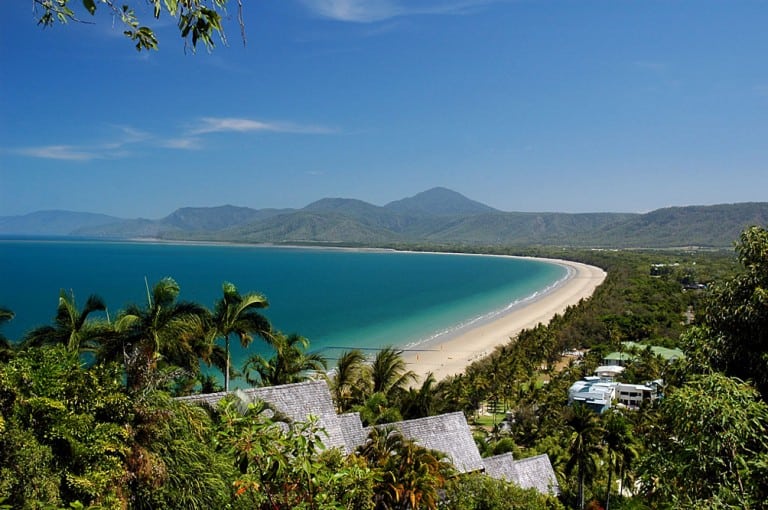
Chalkies Beach combines Whitehaven Beach’s famous silica sands with excellent reef access. It provides the same soft white sands with significantly fewer crowds. The northern end features a sanctuary for soft corals and smaller reef fish.
The best time to snorkel here is during low tide. Conditions are calm and the reef becomes most accessible. Green Turtles regularly feed in this area.
The reef supports tiny fish in all colours. They dart through waters and coral formations. Beautiful beach access, reliable turtle sightings, and excellent coral make this a quieter alternative to popular sites.
Outer Great Barrier Reef Snorkelling Sites
The outer reefs offer encounters with larger marine species and dramatic coral formations. Hardy Reef is easily accessed on day tours from Airlie Beach. It features biodiverse coral reef adjacent to the Reefworld Pontoon.
Average visibility reaches 15 metres. Snorkelers spot giant Maori Wrasse, Trevally, Coral Trout, and giant Queensland Groper. The outer reef’s isolation creates a serene atmosphere.
Bait Reef sits 65 kilometres from Airlie Beach on the edge of the Coral Sea. This outer reef system features a variety of shallow and deep snorkelling locations. It’s a popular bucket list destination.
The journey requires a longer boat trip. You get pristine outer reef conditions with exceptional visibility. Extended yacht charters offer complete privacy at your own pace.
Additional Snorkelling Spots Worth Exploring
The Pinnacles features exceptional underwater views. Large coral bommies rise almost to the surface. The staghorn coral cover off the western beach is nearly solid.
Manta rays are common here, especially during cooler months.
Black Island, also known as Bali Hai, provides secluded snorkelling away from crowds. This tiny island features giant clams, coral formations, and schools of reef fish. The reef is seldom visited by larger boats.
Chance Bay offers excellent snorkelling for children and beginners. Shallow waters let them stand and see fish at their feet. This is especially true during northerly winds.
Turtle Bay offers encounters with up to six turtle species. This occurs when winds blow from the north-east during summer. Dumbell Island features Christmas Tree Worms near the shore and diverse fish life.
Best Time to Snorkel in the Whitsundays
The dry season from May to October offers the most consistently pleasant weather. Clear skies, low humidity, and calm seas make boat travel comfortable. Water visibility is often better during these months.
This period sees peak sailing season conditions. Steady winds are perfect for combining sailing with snorkelling.
The wet season from November to April brings warmer water temperatures. Brief afternoon showers are common but usually followed by sunshine. This period marks stinger season when box jellyfish and Irukandji may be present.
Most tour operators provide full-length stinger suits. These allow safe swimming and snorkelling throughout the season. For Langford Island, low tide offers the best access to the sand spit and reef.
Early morning and late afternoon snorkelling sees better light and fewer crowds. Midday visits offer the brightest colours for underwater photography.
Safety Tips and Essential Gear
Snorkelling in the Whitsundays is safe with proper precautions. During stinger season from November to April, wear a stinger suit. Most tour operators provide these as part of their service.
Quality snorkelling gear makes all the difference. A well-fitted mask, fins, and snorkel are essential. A flotation device is recommended if you’re not a strong swimmer.
Always snorkel with a buddy. Never touch any marine life. Respect coral formations by maintaining proper buoyancy and avoiding contact.
Guided tours or yacht charters provide expert guidance. Most include snorkelling equipment and stinger suits within their rates.
How to Access Whitsundays Snorkelling Sites
Accessing snorkelling sites requires boat transport. Several options suit different preferences and budgets. Day tours from Airlie Beach offer the most popular way to reach snorkelling sites.
Fast boats get you to locations quickly. Tours typically include multiple snorkelling stops, equipment, and knowledgeable guides. Overnight sailing trips provide a more leisurely approach.
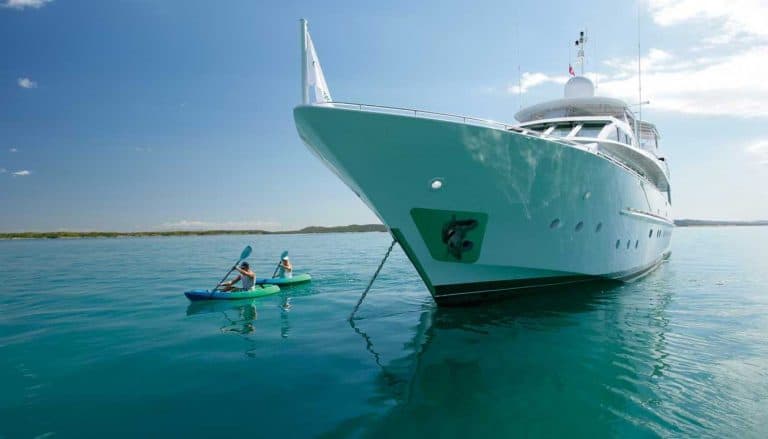
Private yacht charters offer ultimate flexibility and privacy. You can design your own snorkelling itinerary. Spend as much time as you want at each site.
Yacht charters provide freedom to follow weather conditions. You can visit less-crowded sites and create a completely personalised adventure. Helicopter transfers provide exclusive access to remote sites.
Conclusion
The Whitsunday Islands offer an unparalleled snorkelling experience, combining accessible inner reef sites with spectacular outer Great Barrier Reef destinations. For those seeking alternative water adventures, kayaking in the Whitsundays provides another excellent way to explore the region’s pristine waters and discover hidden coves and remote beaches. Contact Exclusive Getaway today to arrange your personalised Whitsunday Island Yacht Hire and discover these snorkelling sites in complete privacy and comfort.